Quiet Confidence: Why Enson Inoue Never Needed to Talk His Way Into a Fight
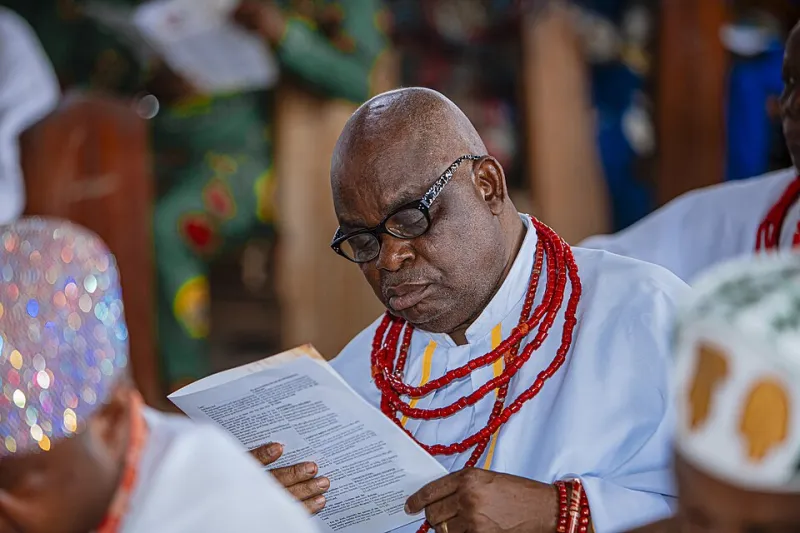
Photo: Sasu Photography Studio, CC BY-SA 4.0, via Wikimedia Commons
There's a version of MMA history where the loudest guy in the room wins. Not the fight, necessarily — but the narrative. The contract. The rematch. The legacy as told by highlight reels and pre-fight promos. That version of the sport has been dominant for a long time, and it's shaped how a whole generation of fighters think they're supposed to carry themselves.
Enson Inoue never bought into it. Not once.
And that's worth sitting with for a minute, because it wasn't an accident. It wasn't naivety. It was a deliberate choice made by a man who understood something about competition that most fighters — and most promoters — never quite figured out.
The Trash-Talk Economy and Why Enson Opted Out
By the time MMA started gaining real traction in the United States, the promotional playbook was already being written. Talk big. Call people out. Make it personal. Give the fans a villain. Give them a hero. Make them feel something before anyone throws a single punch.
It worked. Undeniably. Some of the sport's biggest stars built entire brands on the back of pre-fight theater. And there's nothing inherently wrong with that — entertainment is part of the package, and fighters deserve to get paid.
But Enson Inoue looked at that framework and quietly stepped around it. He wasn't cold or robotic. He wasn't incapable of emotion. Anyone who watched him fight, or read anything he ever said about his career, knows the man ran deep. He just didn't feel the need to perform that depth for cameras.
What he understood — and what gets lost in the noise — is that trash talk is often a form of insecurity dressed up as confidence. When you genuinely believe you're the better fighter, you don't need to convince anyone. You just show up and prove it.
What Real Intimidation Actually Looks Like
Here's something combat sports fans don't always acknowledge: a silent, focused opponent is scarier than a loud one. When someone walks into a fight looking calm, unbothered, and completely present, it does something to the other guy. There's nothing to react to. No emotional hook. No theater to participate in. Just a person who is entirely ready to hurt you.
Enson Inoue walked into fights like that. Consistently. His pre-fight demeanor was never flat or disengaged — it was settled. There's a big difference. Flat suggests someone checked out. Settled suggests someone who has already had every conversation with themselves that needed to happen.
Fighters who leaned on psychological warfare as part of their game plan didn't have much to work with against him. He wouldn't take the bait. He wouldn't feed the energy. He'd just wait for the bell and then demonstrate, with extreme physical clarity, exactly where the conversation stood.
That's a form of intimidation that doesn't get enough credit. It's the kind that doesn't wear off.
Dignity as a Competitive Strategy
It's tempting to frame Enson's approach as purely philosophical — a warrior code thing, a cultural influence thing, a matter of personal principle. And sure, all of that played a role. His time training and competing in Japan shaped his relationship with the sport in ways that American MMA culture never fully replicated.
But let's also call it what it was strategically: a refusal to give opponents anything to work with mentally. Trash talk creates energy. It creates storylines. It creates a framework for the fight that both competitors — and the audience — get locked into. When one fighter controls that narrative, they've already won something before the opening horn.
By opting out entirely, Enson stripped that dynamic away. His opponents couldn't define him publicly. They couldn't provoke a response that would make them look dominant or him look rattled. He denied them the psychological sparring match that sometimes matters as much as the physical one.
That's not accidental. That's a fighter who understood the full scope of competition.
What This Looks Like Against Modern Fighter Culture
Spend five minutes on MMA Twitter — or whatever platform has replaced it this week — and you'll see the current state of pre-fight promotion. Callouts after every win. Social media beef. Carefully crafted personas designed to generate clicks and controversy. Some of it is genuine. A lot of it is performance.
Nobody's really to blame for that. The economics of the sport reward attention, and attention comes from noise. Fighters who figured that out early built bigger platforms and bigger paydays. The incentive structure is real.
But Enson Inoue's career stands as a counterargument — not that the loud approach is wrong, but that it isn't the only path to a meaningful legacy. He never built a personal brand in the modern sense. He didn't cultivate a catchphrase or a character. He just fought with everything he had, treated opponents with respect, and let the record speak.
Decades later, people are still talking about him. Not because of anything he said before a fight. Because of who he was during one.
The Confidence That Doesn't Need an Audience
There's a particular kind of self-assurance that doesn't require external validation. It doesn't need the crowd's reaction to feel real. It doesn't need an opponent to acknowledge it. It just exists, steady and unshakable, because it's rooted in something internal rather than something performed.
Enson Inoue had that. You can see it in the way he competed, in the way he carried himself between fights, in the choices he made about which battles were worth having and which ones weren't worth the energy.
He never needed to become the trash-talker MMA kept asking him to be, because he already knew something that takes most fighters years to learn — or that they never learn at all. The only person you ever really need to convince is yourself. Everyone else finds out when the cage door closes.
That's not a lesson that fits neatly into a hype video. But it's the kind that lasts.