More Than a Mat: How Purebred Became Enson Inoue's Living Legacy
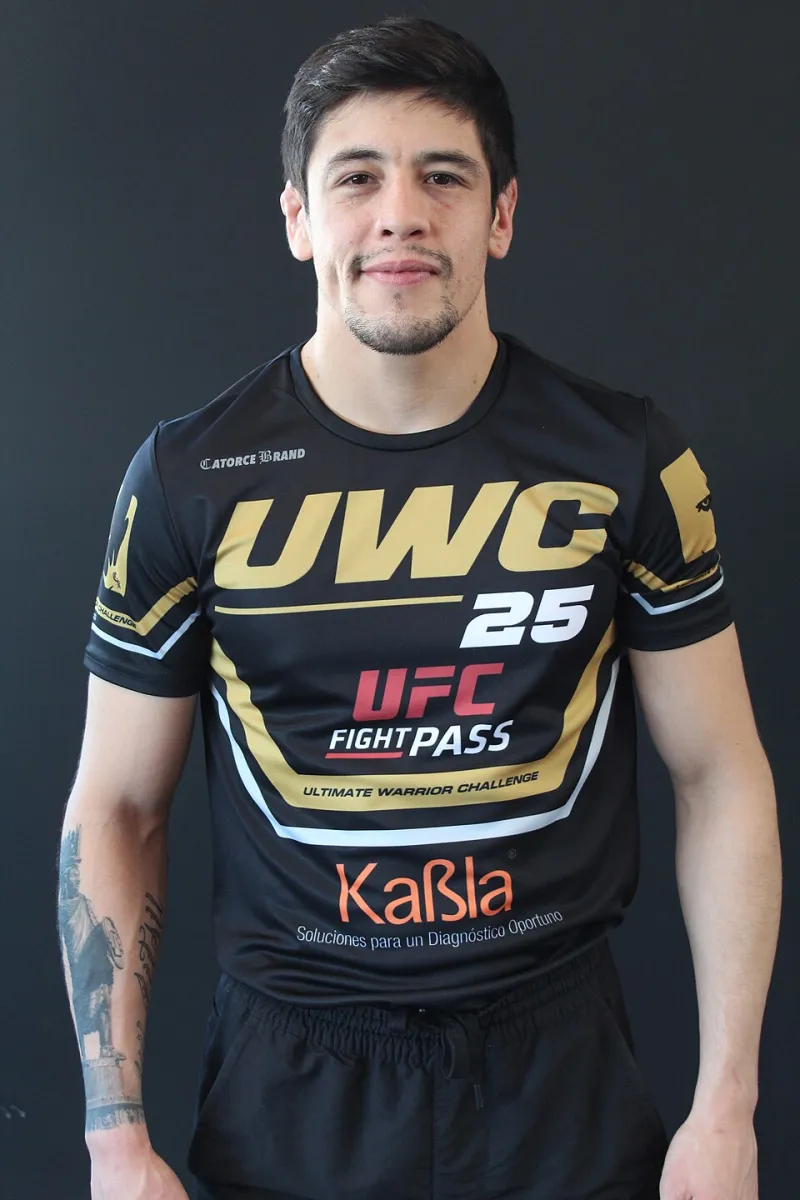
Photo: DiarioMMA, CC BY-SA 4.0, via Wikimedia Commons
Every retired fighter leaves something behind. Most leave a record and a highlight reel. Enson Inoue left a building full of people who teach the way he does.
The Gym That Wasn't Supposed to Be a Business
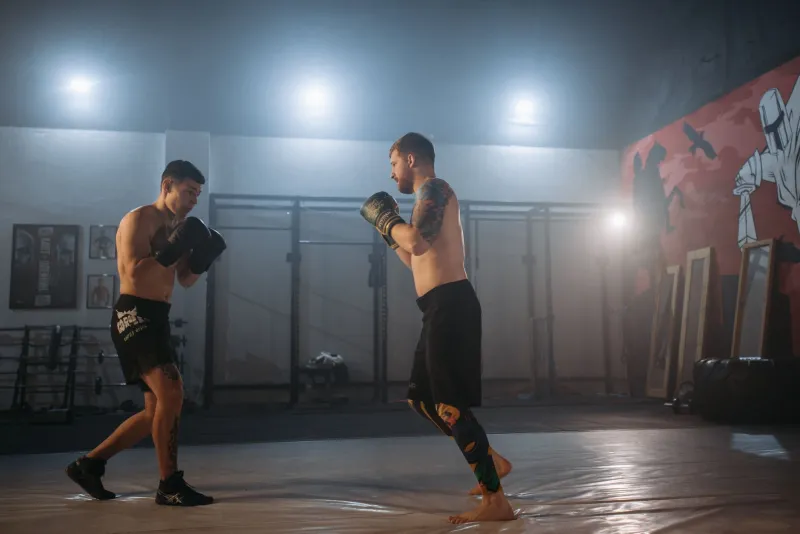
Purebred started with a simple premise: train people the way Inoue believed fighters should be trained — honestly, completely, without shortcuts. Not a fight factory. Not a cardio boot camp with mats on the floor. A place where the ground game was treated as a complete education rather than a defensive afterthought.
That philosophy showed up in the details. Students didn't just learn submissions; they learned the transitions between them, the posture under pressure, the calm required to think while someone was trying to fold them in half. If you've read anything on this site about Inoue's submission chains, understand that Purebred was where those chains got passed down person to person.
Guam: An Unlikely Epicenter
The gym's home base in Guam turned out to be a masterstroke nobody planned. The island developed a disproportionate MMA footprint — fighters like Chris Cariaso roots aside, Guam gave the sport names such as Joe Duarte and, most famously, the lineage that produced BJ Penn training partners and a steady stream of regional champions who punched far above the island's weight.
Guam's fight culture rewarded exactly what Purebred taught: grit, ground proficiency, and zero fear of dangerous positions. The gym became a proving ground where mainland fighters stopped through and left different. Word travels in this sport, and the word was that Purebred-produced grapplers didn't crack.
Teaching as a Fighting Style
Watch Inoue teach versus watch him fight and you'll notice the same signature. He doesn't demonstrate a technique — he demonstrates the decision-making around the technique. Why this grip. Why now. What the opponent's escape attempt just gave you.
That coaching style produced coaches, and that's the multiplier effect. A fighter retires with one body. A teacher creates dozens of fighters who create hundreds of students. The Purebred lineage now runs through mainland gyms, Hawaii, Japan, and beyond — most of it uncredited, most of it invisible to anyone scrolling Wikipedia.
Why a Gym Beats a Belt
Here's the uncomfortable math of combat sports: championships are borrowed. Someone else wins yours eventually. But a school that instills a philosophy keeps compounding long after the founder stops competing.
Inoue understood something that took the broader MMA industry two decades to figure out — that the durable legacy isn't the resume, it's the transmission. Anyone can watch tape of a great fighter. Only the people who trained under him carry the reasoning behind it. Purebred is that reasoning, made physical, still running classes while title belts from that era gather dust in closets.
For American fans mapping the sport's family tree, the branches are obvious: the camps, the teams, the gyms with famous logos. The roots are quieter. One of the deepest ones is on a small island in the Pacific, still teaching people how to be comfortable exactly where fighting is hardest.